

You’ve been lied to about premium ice cream.
Not intentionally, perhaps. But that pint in your freezer labeled “artisan” or “small-batch” or “handcrafted”? There’s a good chance it contains the same low fat content as the budget brand next to it, just dressed up in prettier packaging and sold for three times the price.
The difference between genuine premium ice cream and expensive mediocrity comes down to one thing most brands hope you never learn to recognize: what premium ingredients actually mean.
The Fat Content Truth Most Brands Hide
When Dr. Anal Desai, owner of Milwaukee Joe’s Ice Cream in Southlake, talks about what makes premium ice cream memorable, he starts with milk fat. “In the U.S., ice cream has to contain at least ten percent milk fat,” he explains. “That fat doesn’t just add creaminess. It actually helps carry flavor.”
Food scientists note that many flavor compounds interact with fat, which allows them to release more gradually across the palate. That slow release is what creates the sensation of richness and depth, instead of a flavor that fades after the first bite.
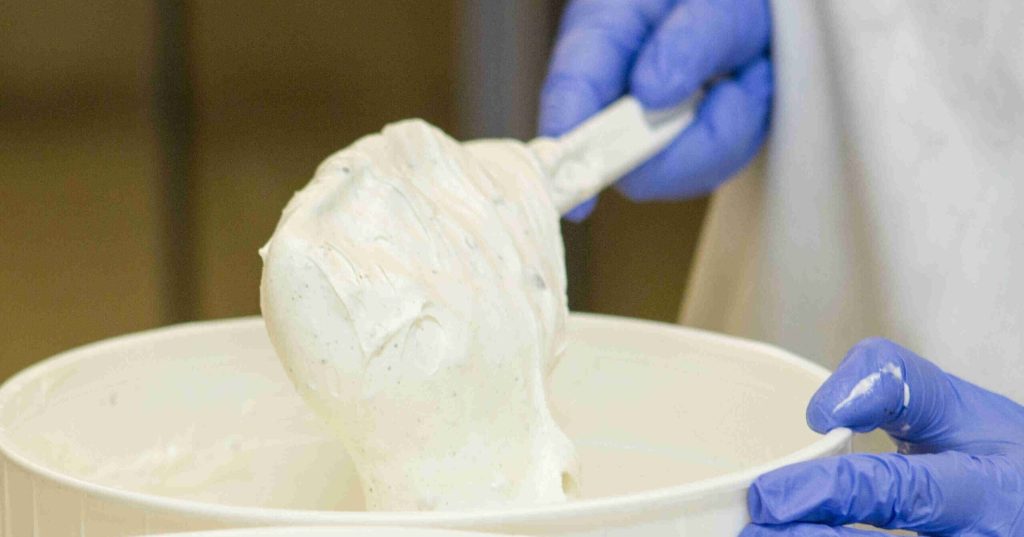
Desai says the craft lies in balancing fat with specific ingredients so each flavor expresses itself properly. Small-batch makers like Milwaukee Joe’s can fine-tune recipes in a way that isn’t always possible at large industrial scale, adjusting texture, aeration, and balance to let real ingredients shine. “It’s not just about what goes in,” he says. “It’s about how the recipe is built so the flavor truly comes through.”
What ‘Premium Ingredients’ Means
Once fat content creates the conditions for flavor, ingredient quality actually matters. Without that foundation, even the finest Belgian chocolate or farm-fresh raspberries are wasted, their flavor compounds have nowhere to express themselves.
This is why sourcing can’t be separated from composition. Premium ingredients require a premium structure.
The Sourcing Stories Behind Real Premium Quality
Belgian Chocolate, Ground In-House
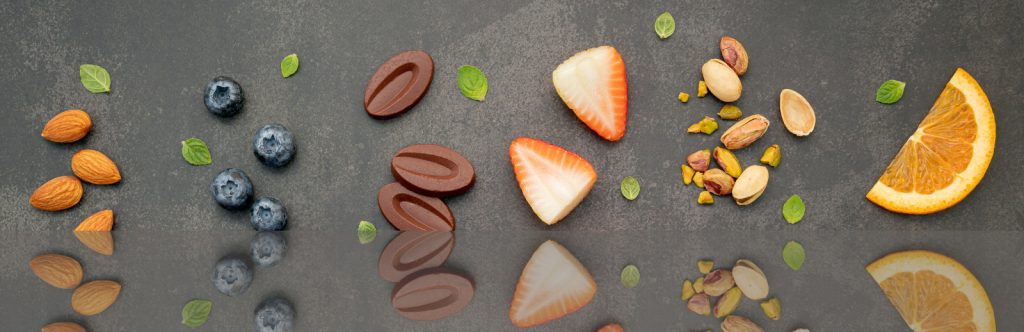
Most ice cream shops buy pre-made chocolate base from suppliers. True premium production means controlling the entire process: importing whole cocoa beans, grinding them in-house, and processing them through pasteurizers to create chocolate bases from scratch.
“When you control the entire process, you can prioritize the single thing that matters: taste intensity,” Desai notes. Pre-made bases are optimized for efficiency and shelf life, not flavor maximization.
Farm Relationships, Not Supplier Contracts
Premium sourcing means direct farm relationships, not distributor contracts. It means visiting the fields where ingredients grow, understanding cultivation practices firsthand, and timing production to coincide with peak harvest, not whenever ingredients happen to arrive.
For seasonal offerings like watermelon sorbet, this means sourcing melons at the precise moment when sugar content peaks. That narrow window is the difference between good and extraordinary.
Flash-Frozen Authenticity
Some ingredients simply don’t grow in certain regions. For authentic varieties, premium producers source flash-frozen fruits from origin countries rather than relying on “fresh” imports that spend weeks in transit.
The key word is “flash-frozen”; these fruits are frozen within hours of harvest, locking in flavor compounds that would degrade during the weeks-long journey that “fresh” imported fruit requires. Premium ingredients sometimes mean knowing when frozen is actually fresher.
The Clean Label Standard
Truly premium ice cream maintains strict standards: no artificial flavors, no artificial colors, recognizable ingredients only.
Almost.
Cotton candy ice cream requires artificial flavoring; there’s no natural way to replicate that specific taste. The question is whether producers are transparent about such exceptions.
This is what honest premium ingredient sourcing looks like: clear standards, consistently applied, with transparent exceptions when necessary.
How to Recognize Real Premium Ingredients
When shopping for genuinely premium ice cream, look for these indicators:
The Nutrition Label Test
Check the fat content. If it’s at or below 10%, you’re not getting an ice cream, you’re most likely looking at “frozen dessert”.
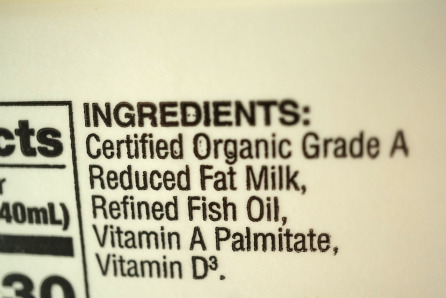
The Ingredient List Length
Shorter is better. If you see emulsifiers, stabilizers, or ingredients you can’t pronounce, you’re looking at synthetic substances aimed for mass production.
Premium ice cream should list recognizable ingredients: cream, milk, sugar, natural flavorings. If you can’t pronounce it, it’s likely compensating for lower ingredient quality or higher production volume.
Sourcing Specificity
Small-batch” and “handcrafted” are unregulated marketing terms. Look for specific details: actual batch sizes, named ingredient sources, production methods. Vague claims are red flags.
Premium brands will tell you where their vanilla comes from, how their chocolate is processed, when their fruit is harvested. If they’re not sharing these details, there’s usually a reason.
The Taste Test
Premium ice creams should have intense flavors as it melts in your mouth,. You should not have any icicles. If it tastes watery or the flavor fades quickly, the fat content isn’t sufficient to carry the ingredients properly, regardless of how premium those ingredients might be.
The Premium Standard You Deserve
For over 30 years, premium producers like Milwaukee Joe’s have maintained these standards, serving generations of families who understand that premium ingredients mean nothing without premium treatment.
We’re not suggesting every ice cream purchase needs to be an investment in artisanal craft. Sometimes you just want something cold and sweet.
But when you choose premium, you deserve the real thing.
Premium isn’t about indulgence; it’s about constraint. Direct farm relationships limit flexibility. Small batches limit efficiency. These aren’t choices that maximize profit. They’re choices that maximize flavor.
That means small-batch production maintaining high fat content. Direct farm relationships, timing harvest to peak flavor. A willingness to restart production when quality slips even slightly.
“If the previous step isn’t perfect, we don’t move to step two,” Dr. Desai says, describing a production philosophy that puts ingredient integrity above convenience.
“
No shortcuts” isn’t a slogan; it’s a production philosophy enforced at every step.
This is what premium ingredients really mean. Everything else is just expensive marketing.



Founder & CEO
I founded Milwaukee Joe’s with a simple goal: to share joy through bold, original ice cream flavors. Each recipe is handcrafted from scratch, inspired by my love of global cuisine, seasonal ingredients, and the smiles that follow every scoop.